Tuesday, March 4, 2014

Dark Choco-Apple Flap Jacks (GF/Vegan)


Ingredients

My Daughter Made This Recipe - Its So Easy!
See How It Should Look!


Serves: Yields 10-12 4″ Pancakes
Ingredients
  • 1 cup of gluten free all-purpose flour
  • 1 Tablespoons flax
  • 2 Tablespoons maple syrup (or raw honey)
  • 2 teaspoons aluminum-free baking powder
  • 2 teaspoons ground cinnamon
  • 1 teaspoon vanilla
  • ¼ teaspoon salt
  • ¼ cup of unsweetened applesauce
  • 1 cup of milk (or preferred nondairy sub – we use coconut milk)
  • *Add 1/4 of a Diced Apple and A few TBS. Dark Chocolate Chips
*For extra protein you can add 2 TBS of your favorite protein powder
Instructions
  1. In a medium size mixing bowl, mix together flour, flax, baking powder, cinnamon, and salt.
  2. Add vanilla, maple syrup, applesauce, and milk. I added my milk first a ½ cup- mixed, then a ¼ cup at a time there after to make sure it wasn’t too runny. Add Apples and Dark Chocolate Chips.
  3. Mix until you get the lumps out of the batter. You don’t want it to be too thick or too runny. There’s a happy medium and 1 cup should be just about right.
  4. On a heated griddle or pan on your stove top (medium heat), begin to cook flap jacks about a ¼ cup of the batter for each one.
  5. Cook 1-2 minutes until they start to bubble and can edges easily flip.
  6. Flip over and cook other side.
  7. Serve warm with fresh fruit toppings, powdered sugar, coconut creme or for extra protein add some of your favorite nut butter. You can also freeze for later, or pack them up for lunch!

I hope you enjoyed this recipe!
Follow me on FACEBOOK and Subscribe to my YOUTUBE channel!

Stay Healthy!

Saturday, October 5, 2013

Ghoul Caramel Apples: Halloween Treats


Apple season is upon us and the weather is changing! Fall is officially in full force (according to the weather up north)...I was excited to get to try my hand at making an old traditional Fall favorite tonight 
(For the 1st time), and of course - put my own spin on it! 

Try these delicious Fall or Halloween treats with your kids - they will love getting to choose from a variety of silly topping to decorate their own apples.

Ghoul Caramel Apples:

6 Apples
1 bag of caramels
a dab of vegan butter
1-2 tbs. Coconut Milk
A variety of toppings
Craft Wooden Skewers/sticks
Wax paper
Small pan
Cake pan (for finished apples to go in fridge)


Slowly add caramels into a small pan on low heat - Add a dab of vegan butter and 1 tbs coconut milk - stir continuously until the caramel is fully melted.

Continue this process with about 1/2 cup caramels at a time, until all are melted. The most amount of coconut milk you will need is 2tbs. If you've added that - don't add anymore, or the caramel will be too runny...melt all the caramel in the pan.


Now we are ready to dip our apples 
(Which need to be chilled in the fridge, to help caramel stick)

Remove the stem from your washed apples, and push the skewers through the tops of the apples. Line a cake pan with wax paper - to store the finished apples in the fridge.


Take 1 apple on a skewer and as you tilt the melted caramel pot toward yourself - you can roll the sides of the apples down into the caramel - this technique worked better than our first attempt..which is what is on the video.

Quickly add any toppings (by pushing them into the caramel with hands) onto 2 apples at a time. Place finished apples in pan with wax paper - put into fridge while you are preparing the rest of the apples. 

Continue to add your finished apples into the pan (taking the pan in and out of the fridge, during this process). Once the pan is full - refrigerate apples for 20 minutes before eating. Then enjoy your ghoulish creations!

Did you try this recipe? 
Tell me how yours turned out in the comments below!

Send me a photo of YOUR ghoulish creations to  
Naomi's Nutrition Nook FB Page with #GhoulCaramelApples

Monday, September 23, 2013

A Vegan Taste of Fall Smoothie


Get a taste of Fall - Try this simple smoothie
1 cup of Organic Red Grapes

2 cups of Watermelon
1 cup of sliced cooked Pumpkin or canned Pumpkin
1-2tbsp of Chia Seeds
1/2 cup of Coconut milk
Dash of Cinnamon, to taste
 ~Blend~

It tastes amazing, and you get extra energy and Omega-3's from the Chia Seeds! 

What a great way to usher in Fall utilizing seasonal produce.
Don't forget to share this recipe with your friends.

Do you have a favorite Fall recipe? What is it?

Thursday, August 15, 2013

Top 10 "Back To School" Basics for Simple Vegan Meals and Snacks


Now that most kids are heading back to school in the next few weeks, I wanted to create a list of some simple and basic ways for you to build and create your own amazing, kid-friendly, and nutrient dense snacks and meals for yourself and your kids! Sometimes, recipes are necessary, and other times (like in my case) necessity is the mother of all inventions - and I LOVE inventing new recipes and treats from what I already have in the kitchen.

My daughter is 9 (and home schooled/Unschooled - so technically no "Back To School" happening in this house) but thankfully, she is open to trying most things I concoct in the kitchen - including enjoying making her own creations. Although, I don't always hit home-run's and she definitely will let me know that she doesn't like something! I bet your kids do the same things like: Simply not eating it, pushing their noses up to the dish then you see those curled up lips and looks of disgust, Haha - I suppose most parent's know that look! 

Well, I've compiled a list of simple go-to foods that I like to have available in the kitchen to whip together quick healthy meals or snacks, that are both child-friendly AND parent-friendly and even BUDGET friendly!

1. Fresh Whole Organic Fruit


Fresh fruit is the easiest food to keep handy in the kitchen, is packed full of natural occurring vitamins, minerals, and antioxidants, and yes - even protein! Most kids love fruit, and so do most adults (I know I do). If you have a blender in the kitchen it's super easy to make simple fruit smoothie's for breakfast in the mornings, or snacks after school. The extra potassium and vitamins in fruits, will help keep their energy up to focus on their homework after they get home from school - plus, they are really nature's "Fast Food" and are great for any lunch box!

The options are virtually endless when you keep fresh fruit on hand in the kitchen! Get creative. Just make sure to eat it up fast or those pesky fruit flies will start showing up! If you compost, utilize it to place the extra fruit skins and remains into the bin for your garden, and keep from attracting the flies into the kitchen. It's a great way to recycle and really creates amazing soil for growing your own, delicious, organic food in your backyard!

2. Organic Beans/Lentils


Beans and Lentils are super affordable, can be purchased pre-made in a can or dried and in the bulk bins at the grocery stores and health food stores - and are also packed full of protein! Lentils cook fairly quickly so, they are always great to have around in a pinch.

3. Gluten Free Pasta


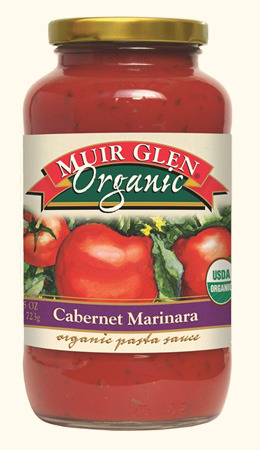
4. Organic Marinara Sauce


5. Nut milks


6. Frozen and Fresh Vegetables

7. Trail Mix


8. Homemade Granola

9. Organic Tofu

10. Brown Rice/ Quinoa


All of these can be mixed and matched very simply to create all kinds of wonderful, delicious, and healthy snacks and meals for your family! 

What is YOUR favorite go-to item in YOUR kitchen, and why?

Share in the comments below:

Monday, July 1, 2013

A Plant-Based Diet and Supplementation Guide (For all ages): B-12


The following series is a list of important Vitamin and Mineral Supplements I recommend when following a plant-based diet:

You have been hearing about the positive benefits of a plant-based diet for some time now, and have slowly transitioned your diet to a primarily plant-based diet. First of all, I want to congratulate you on taking the steps and time necessary to do the research, to discover what way of eating is benefiting YOUR body the most, and for ultimately cleaning up your diet! Even within the plant-based community there is a range of different ways individuals or groups adjust the ratios of fats and carbohydrates they consume on a daily basis, while enjoying this 'new' way of eating as a lifestyle and for their health and healing!

Because of these varied forms of a plant-based diet, and the fact that many following this way of eating (including children) will require some forms of supplementation - whether their reasons for choosing to eat this way are ethical, health related, disease prevention, or weight-loss.


*Children have different needs when it comes to recommended daily amounts of vitamins, and I will be including that information as well.

#1 
B-12


B12 is the only vitamin that is not recognized as being reliably supplied from a varied wholefood, plant-based diet with plenty of fruit and vegetables, together with exposure to sun. Many herbivorous mammals, including cattle and sheep, absorb B12 produced by bacteria in their own digestive system. B12 is found to some extent in soil and plants. These observations have led some vegans to suggest that B12 was an issue requiring no special attention, or even an elaborate hoax. Others have proposed specific foods, including spirulina, nori, tempeh, and barley grass, as suitable non-animal sources of B12. Such claims have not stood the test of time.


In over 60 years of vegan experimentation only B12 fortified foods and B12 supplements have proven themselves as reliable sources of B12, capable of supporting optimal health. It is very important that all vegans ensure they have an adequate intake of B12, from fortified foods or supplements. This will benefit our health and help to attract others to veganism through our example.

Symptoms of B-12 Deficiency


Clinical deficiency can cause anemia or nervous system damage. Most vegans consume enough B12 to avoid clinical deficiency. Two subgroups of vegans are at particular risk of B12 deficiency: long-term vegans who avoid common fortified foods (such as raw food vegans or macrobiotic vegans) and breastfed infants of vegan mothers whose own intake of B12 is low.

In adults typical deficiency symptoms include loss of energy, tingling, numbness, reduced sensitivity to pain or pressure, blurred vision, abnormal gait, sore tongue, poor memory, confusion, hallucinations and personality changes. Often these symptoms develop gradually over several months to a year before being recognised as being due to B12 deficiency and they are usually reversible on administration of B12. There is however no entirely consistent and reliable set of symptoms and there are cases of permanent damage in adults from B12 deficiency. If you suspect a problem then get a skilled diagnosis from a medical practitioner as each of these symptoms can also be caused by problems other than B12 deficiency.

(*Of course, many of these can be caused by other medical conditions, so if you have any of these challenges, be sure to speak to your physician about your concerns.)

Infants typically show more rapid onset of symptoms than adults. B12 deficiency may lead to loss of energy and appetite and failure to thrive. If not promptly corrected this can progress to coma or death. Again there is no entirely consistent pattern of symptoms. Infants are more vulnerable to permanent damage than adults. Some make a full recovery, but others show retarded development.

The risk to these groups alone is reason enough to call on all vegans to give a consistent message as to the importance of B12 and to set a positive example. Every case of B12 deficiency in a vegan infant or an ill informed adult is a tragedy and brings veganism into disrepute.


Testing B-12 status

A blood B12 level measurement is a very unreliable test for vegans, particularly for vegans using any form of algae. Algae and some other plant foods contain B12-analogues (false B12) that can imitate true B12 in blood tests while actually interfering with B12 metabolism. Blood counts are also unreliable as high folate intakes suppress the anaemia symptoms of B12 deficiency that can be detected by blood counts. Blood homocysteine testing is more reliable, with levels less than 10 micromol/litre being desirable.The most specific test for B12 status is methylmalonic acid (MMA) testing. If this is in the normal range in blood (<370 nmol/L) or urine (less than 4 mcg /mg creatinine) then your body has enough B12. Many doctors still rely on blood B12 levels and blood counts. These are not adequate, especially in vegans.


What does the test result mean?

If MMA and homocysteine levels are increased and the vitamin B12 level is mildly decreased, then an early or mild B12 deficiency may be present. This may indicate a decrease in available B12 at the tissue level. If only the homocysteine level is elevated, then the person may have a folate deficiency. If both MMA and homocysteine levels are normal, then it is unlikely that there is a B12 deficiency.
Moderately to severely elevated levels of MMA may be seen in infants with the rare inherited disease methylmalonic acidemia.

Is there anything else I should know?

An elevated MMA test may indicate a B12 deficiency, but the amount of MMA measured does not necessarily reflect the severity of the deficiency, its likelihood of progressing, or the presence or severity of any symptoms.
If an individual has kidney disease, he may have a high level of MMA in his blood. If the kidneys are not functioning properly, they cannot properly eliminate MMA in the urine, causing MMA to accumulate in the blood.
for more information about testing visit: http://labtestsonline.org/understanding/analytes/mma/tab/test

Is there a vegan alternative to B-12-fortified foods and supplements?

If for any reason you choose not to use fortified foods or supplements you should recognize that you are carrying out a dangerous experiment - one that many have tried before with consistently low levels of success. If you are an adult who is neither breast-feeding an infant, pregnant nor seeking to become pregnant, and wish to test a potential B12 source that has not already been shown to be inadequate, then this can be a reasonable course of action with appropriate precautions. For your own protection, you should arrange to have your B12 status checked annually. If homocysteine or MMA is even modestly elevated then you are endangering your health if you persist.

*Claimed sources of B12 that have been shown through direct studies of vegans to be inadequate include human gut bacteria, spirulina, dried nori, barley grass and most other seaweeds. Several studies of raw food vegans have shown that raw food offers no special protection.


A natural, healthy and compassionate diet

Vegans using adequate amounts of fortified foods or B12 supplements are much less likely to suffer from B12 deficiency than the typical meat eater. The Institute of Medicine, in setting the US recommended intakes for B12 makes this very clear. "Because 10 to 30 percent of older people may be unable to absorb naturally occurring vitamin B12, it is advisable for those older than 50 years to meet their RDA mainly by consuming foods fortified with vitamin B12 or a vitamin B12-containing supplement." Vegans should take this advice about 50 years younger, to the benefit of both themselves and the animals. 

B12 need never be a problem for well-informed vegans.


Source for Adult B-12 Supplement

Your supplement should be "sublingual" (meaning it melts under-the-tongue), and should be made with methylcobalamin, which is the natural kind of B12 that comes from bacteria and is more readily used by your body. So be sure to check your labels out there.

Sublingual B12 supplements are incredibly easy to take (just pop a small tablet under your tongue) and they're VERY inexpensive. Remember, you're aiming for at least 2,500 micrograms per week. So pay attention to the amount of B12 the supplement provides.


Here's what I recommend: B12 tabs by DEVA - $9.99 because they have B12 made from methylcobalamin AND folic acid AND Vitamin B6 together in one tablet; they all work well together. Additionally, Vitamin B12 and folic acid are very close pals; they have many functions in common, and each requires the presence of the other to do its best job.


Children's B-12 Needs and Supplement Sources on a Plant-Based Diet


If a child’s diet contains enough calories, normal growth and development can be expected and studies of vegan children have shown that their caloric intake is close to recommended levels and similar to intakes of non-vegan children of the same age.

Vegan children in the UK and the US have been found to be slightly shorter and lighter in weight than average but appeared to be growing at a normal rate. Children need a lot of energy in relation to their size and although healthy eating should be encouraged, it is important that the diet be energy dense.  Including foods such as vegetable oils, avocados, seeds, nut butters and pulses can provide both calories and nutrients.  Dried fruits are also a concentrated source of energy and are an attractive food for many children.  Children from an early age should be encouraged to brush teeth after eating dried fruits and other sweet foods to prevent tooth decay!


Key Nutrients for Vegan/Plant-Based Children

Protein needs can be easily met if children eat a variety of plant foods and have an adequate intake of calories. It is unnecessary to plan and complement amino-acids precisely within each meal so long as children eat a variety of foods each day.  Sources of protein for vegan children include pulses (peas, beans, lentils, soy), grains (wheat, oats, rice, barley, buckwheat, millet, pasta, bread), nuts, meat substitutes and nut butters. 

Calcium is an important nutrient for growing bones and teeth.  Good sources include fortified non-dairy milks and juices, calcium set tofu, baked beans and dark green leafy vegetables low in oxalic acid such as spring greens and kale. Calcium supplementation may be indicated in cases of inadequate dietary intake. 


Children regularly exposed to sunlight under appropriate conditions (two to three times per week for about 20-30 minutes on hands and face) appear to have no dietary requirement for vitamin D. Those children who have limited exposure to sunlight or who are dark skinned and have no dietary source of vitamin D require supplements.  Only a few foods naturally contain vitamin D (D3, cholecalciferol) and all of these are animal products.  Vitamin D3 is usually obtained from lanolin, which is derived from sheep’s wool and therefore not acceptable to vegans.  Foods fortified with a vegan source of vitamin D (D2, ergocalciferol) include margarine, some non-dairy milks and fortified breakfast cereals. 

Iron deficiency anemia is the most common childhood nutritional problem and is no more likely to occur in vegan than  non-vegan children.  Good sources of iron include whole or enriched grains and grain products, iron fortified cereals, legumes, green leafy vegetables and dried fruits.
  
Diets of vegan and non-vegan children often contain similar amounts of zinc, though zinc from plant foods is less well absorbed as they contain phytate, which interferes with zinc absorption. Emphasising foods that are good sources of zinc and protein such as pulses and nuts can increase the amount of zinc in the diet and promote absorption. 

  
Use of yeast-leavened bread and fermented soya products such as tempeh and miso can also improve zinc absorption(8).  Zinc supplements may be needed for young vegan children whose diet is based on high-phytate cereals and legumes(19). FSC and Seven Seas produce vegan vitamin and mineral supplements suitable for children.


*Vegan children should use foods fortified with vitamin B12 or take vitamin B12 supplements.


 *MY recommendation for a children's vegan B-12 Supplement is the same as for adults (DEVA B-12 Tablets). You can just share the same vitamin and make sure you each take a daily dose!


-Disclaimer-
The medical information on this site is provided as an information resource only, and is not to be used or relied on for any diagnostic or treatment purposes. This information is not intended to be patient education, does not create any patient-physician relationship, and should not be used as a substitute for professional diagnosis and treatment.


Sources: 
Vegan Society: 

Wednesday, June 19, 2013

Easy DIY Tote Bag Tutorial in celebration of LA's Ban on Plastic Bags!


Success!! 

I am so excited to learn today that LA has approved a ban on plastic bags! This issue of over consumption of non-biodegradable materials HAS to stop, it is not sustainable, and plastics are laden with chemicals which - through out it's production and use, litter the environment with carcinogenic compounds poisoning everything it touches!

In celebration of this exciting new legislation, which will go into effect next year in LA - here is a simple DIY tutorial on how to make your own Tote Bag out of a T-Shirt! Get crafty with these simple steps, and upcycle an old shirt that was just sitting around anyway!

Have fun getting creative - and keeping plastic bags out of our environment!

Source: ThreadBanger.com

~XOXO~


Monday, June 17, 2013

My Top 3 Comfort Foods

Naomi's Nutrition Nook Blog
                                           
Lately I've been going through some ups and downs. I thought it would be fun to post about my favorite comfort foods. We all have those go-to, yummy, delicious 'splurge' treats we like to bake or buy when we are just in a funk - and want to get a little chocolate loving happening in our mouths to help lift our spirits. 

These recipes will get your saliva flowing and turn that frown upside down. Here are my top 3 comfort foods and their recipes! 

Yes, even health coaches get to splurge every once in awhile, we're human too! These are recipes I have found online and are some of my own, and I am excited to share them with you today. If I can make them, you can make them - hope you enjoy!

Now get ready to drool all over your keyboards, and start baking!

#1 Cookies
Cherry Chocolate Chocolate Chip Cookie

#2 Chocolate

#3 Tater Tots


What are your favorite comfort foods? 

Tell me in the comments below!


~XOXO~


Linked To: 

Tuesday, June 11, 2013

Mangosteen - Dragon Fruit *KISS* Smoothie


Feel refreshed and energized from this delicious and kissable smoothie!
Smooth, Sweet, Energizing, it will activate the lover in you and your sweetheart...

It will love you just as much as you will love it
~Enjoy! 

SMOOTHIE RECIPE:
Place ingredients in blender and blend for 1 minute!

1 ripe Dragon Fruit
1 Can Mangosteens - or 10 fresh Mangosteens
2 Manila Mango's
1 Tbs. Chia Seeds
1/2 tsp Kelp Powder
3 c. Water

Now go enjoy this refreshing tropical smoothie 
and share it with your lover 
then enjoy a sweet kiss of love and fruit together!

~XOXO~


Blogs I'm Linked To:
Life with the Crust Cut Off

Sunday, June 9, 2013

Lychee Mango Smoothie


Cool down this summer with this SUPER easy and mouth watering smoothie! It will transport you to a tropical island oasis lounging beach-side, and with it's burst of natural sweetness you will truly wonder why you haven't tried this before!


I found both of these fruits at the local Asian market! Take a trip and find your closest Asian market or order some of these ingredients online. You HAVE to try this!

Post any questions below:

Blogs I'm Linked to for "Social Sunday Linky Party":
Yesterfood

God's Growing Garden

Thursday, June 6, 2013

Maple Glazed Roasted Eggplant Salad


Eggplant is in season right now, and it's a delicious compliment to many dishes adding a fresh new flavor to your palette, plus, it's full of anti-cancer properties! 

This Salad is super easy to put together, and all you'll need is the ingredients and a skillet! 

Check out the recipe below.

Also, I have included some information about the health benefits of Eggplants! It's something everyone should add into their diet now that they are in season.

Health benefits of Eggplant:


1. Great Brain Food- 

Research on eggplant has focused on an anthocyanin phytonutrient found in eggplant skin called nasunin. Nasunin is a potent antioxidant and free radical scavenger that has been shown to protect cell membranes from damage. In animal studies, nasunin has been found to protect the lipids (fats) in brain cell membranes. Cell membranes are almost entirely composed of lipids and are responsible for protecting the cell from free radicals, letting nutrients in and wastes out, and receiving instructions from messenger molecules that tell the cell which activities it should perform.

2. Rich source of Antioxidants -

The good news concerning eggplant is that the predominant phenolic compound found in all varieties tested is chlorogenic acid, which is one of the most potent free radical scavengers found in plant tissues. Benefits attributed to chlorogenic acid include antimutagenic (anti-cancer), antimicrobial, anti-LDL (bad cholesterol) and antiviral activities.

3. Cardiovascular Health and Free-Radical Protection -

When laboratory animals with high cholesterol were given eggplant juice, their blood cholesterol, the cholesterol in their artery walls and the cholesterol in their aortas (the aorta is the artery that returns blood from the heart back into circulation into the body) was significantly reduced, while the walls of their blood vessels relaxed, improving blood flow. 

Nasunin is not only a potent free-radical scavenger, it is also a natural iron chelator. Although iron is an essential nutrient and is necessary for oxygen transport, normal immune function and collagen synthesis, too much iron is not a good thing. 

Excess iron increases free radical production and is associated with an increased risk of heart disease and cancer. Menstruating women, who lose iron every month in their menstrual flow, are unlikely to be at risk, but in postmenopausal women and men, iron, which is not easily excreted, can accumulate. 

By chelating iron, nasunin lessens free radical formation with numerous beneficial results, including protecting blood cholesterol (which is also a type of lipid or fat) from peroxidation; preventing cellular damage that can promote cancer; and lessening free radical damage in joints, which is a primary factor in rheumatoid arthritis.


Maple Glazed Roasted Eggplant Salad:

Prep Time: 3 Mins.
Total Time: 15 Mins
Serves: 1

Ingredients
1 Eggplant (sliced)
4 Tbs. Olive Oil
4 Tbs. Maple Syrup
1 tsp. sea salt
1.5 tsp. Cinnamon
6 Leaves Red Leaf Lettuce
1 c. Organic Corn

Directions:

1. Heat skillet to medium high with 2 tbs Olive Oil, add sliced eggplant into
skillet (not overlapping each other, I was able to fit 3 slices in a small skillet at a time). Heat slices until a slight change of color occurs on both sides.

2. Pour about 2 tbs maple syrup over slices, and let slices saute in the skillet for about 30 seconds on each side - make sure to evenly coat each slice with the oil and maple syrup mixture in the bottom of the skillet.

3. Layer the Red Leaf Lettuce leaves on top of a large plate.

4. Place finished eggplant slices on top of leaves - and continue roasting the rest of the eggplant slices in the oil/maple syrup combination.

5. On my last set of slices - I poured in the corn and some more oil to cook the corn in the skillet. My secret flavor blast I added was some cinnamon and a bit of sea salt in with the corn and slices to cook together. Remove the remaining slices of Eggplant layer on top of lettuce. Garnish with Maple syrup and cinnamon.

6. Continue cooking corn until it's completely cooked - then layer corn around the eggplant slices.

 Serve Hot!

Now is a great time to try some delicious eggplant!

How do you like to eat eggplant?

~Peace and Love~


Reference: